Mon - Sat: 9:00 AM - 6:00 PM
Design Perspectives

Minimalist Furniture Trends 2026

How reductive geometry, grounded materiality, and tactile craftsmanship redefine residential interiors this season.

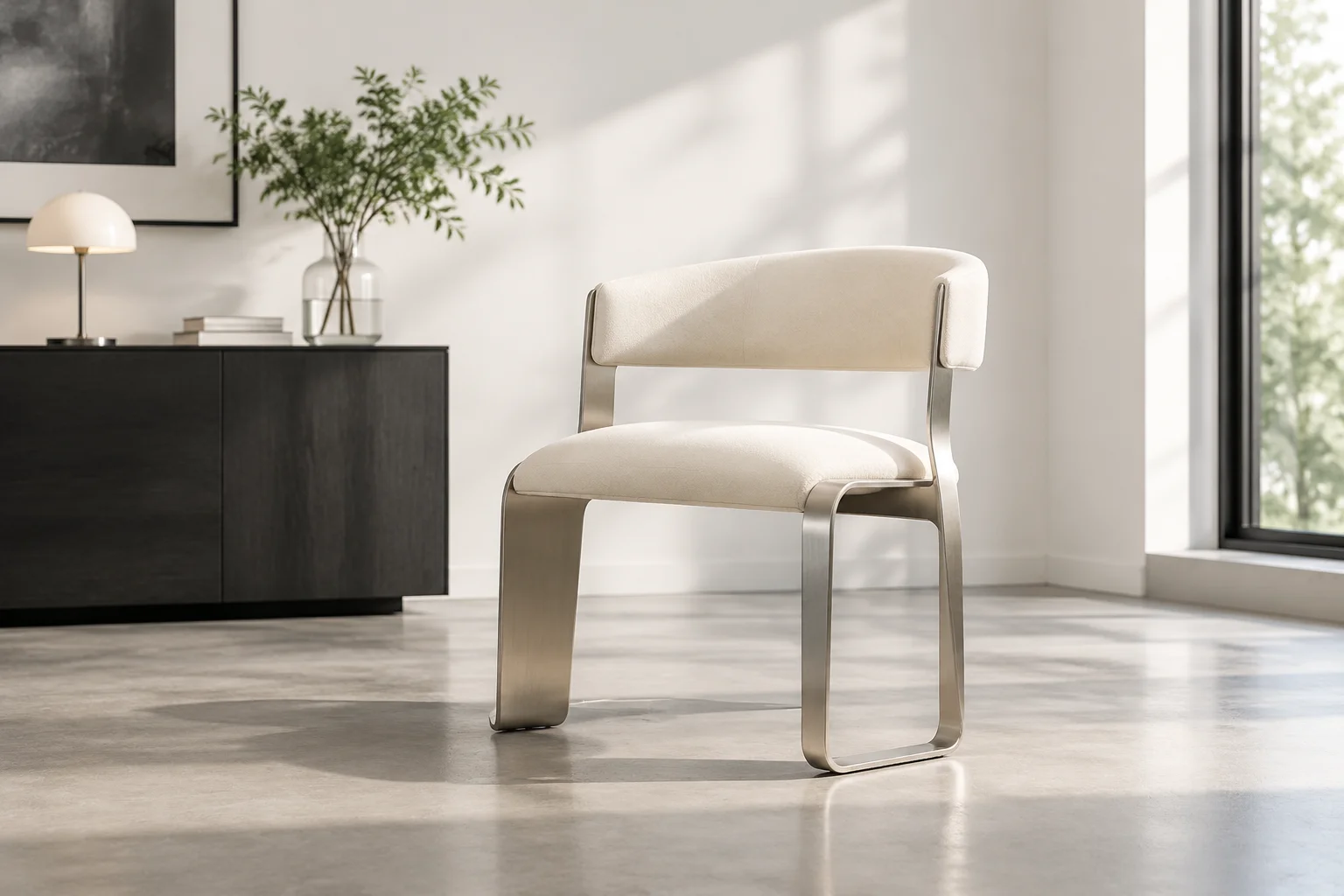
Minimalist Furniture Trends 2026 showcasing a sculptural chair in an airy studio
Editorial Analysis

The Evolution of Restraint in Seating

Minimalist furniture trends in 2026 depart from sterile white galleries toward warm, grounded tactility. Homeowners and interior architects reject cold hollow boxes in favor of seating pieces that communicate stability, architectural discipline, and structural sincerity.

Living spaces demand fewer objects, yet each chair carries heavier functional duty. A single low-profile armchair now serves as a quiet reading refuge, a conversational focal point, and an ergonomic workstation. The modern home reduces visual clutter by introducing seating items stripped of superfluous fasteners, artificial veneers, and ornate moldings.

Design houses across Montreal, Vancouver, and Copenhagen prioritize raw materials that mature gracefully. Brushed steel frames, solid white oak stretchers, and textured bouclé weave unite in unified contours. The outcome is seating that commands presence through balance rather than decorative noise.

Trend Benchmarks

Key Movements Shaping 2026

Mono-Materiality
Seamless single-source fabrication
Subtle Curvature
Softened brutalist silhouettes
Repairable Joins
Demountable mortise construction
Active Lumbar
Hidden physiological spine support

Looking for Refined Minimalism?

Explore our collection of hand-finished dining, lounge, and desk chairs crafted for timeless spaces.

Sculptural Posture and Spatial Breathing Room

Interior proportions change when extraneous elements vanish. Modern living rooms feature open sightlines where seating pieces float freely rather than hug perimeter baseboards. Studio layouts leverage chairs with negative space under armrests and tapered timber spindles to allow floor lamps and morning daylight to pass directly through the room.

Minimalism in 2026 focuses heavily on user ergonomics disguised behind artistic silhouettes. Designers conceal adjustable tension knobs and tilt limiters inside cast aluminum bases, delivering boardroom comfort without technical clutter. Look for these specific traits when curating contemporary rooms:

  • Subtle low-profile backrests that preserve line-of-sight across open-concept dining zones.
  • Unstained timber grains sealed exclusively with breathable matte plant waxes and organic oils.
  • Textured mineral palettes spanning bone white, muted pumice stone, and warm terracotta.

Home offices integrate chairs that complement residential architecture. Heavy black plastic gaming thrones and cumbersome executive chairs yield to streamlined molded shells padded with natural latex and wool felt.

Restraint does not signify the absence of comfort; it represents the precise moment where nothing more can be removed without compromising structural grace.

— Dieter Rams Design Philosophy (Reinterpreted for 2026)

Selecting Seating for Compact and Shared Living

Urban apartments demand furniture that transitions between social hosting and focused remote concentration. A dining chair must offer adequate pelvic tilt during an eight-hour workday, then cleanly nest beneath a communal oak table when dinner guests arrive.

Buyers who invest in minimalist designs prioritize circular lifecycle principles. In 2026, premium chairs feature mechanical fixings rather than toxic industrial glues. Cushions can be unbuttoned and reupholstered, while legs unbolt cleanly for flat-pack relocation across neighborhoods.

Buyer Checklist for 2026 Minimalism

  • Visual Weight: Choose chairs with slender legs to maximize perceived floor area in compact rooms.
  • Material Honesty: Prioritize unvarnished ash, oiled walnut, or cast steel that develops an authentic patina.
  • Multi-Zone Utility: Select silhouettes versatile enough to move between dining setups and work desks.
  • Maintainable Hardware: Look for exposed Allen bolts and modular fabric covers that simplify routine cleaning.
James Wilson

James Wilson

Lead Furniture Curator

James tracks modern interior architecture and sustainable furniture ergonomics. He specializes in assessing structural craftsmanship, joinery durability, and residential spatial layouts.

Discussion

Reader Insights

Eleanor Vance Profile Picture
Eleanor Vance
Verified Buyer • 10/11/2026

This breakdown captures exactly why our studio transitioned to low-profile timber chairs this autumn. Removing heavy armrests gave our dining nook so much visual air, and our posture feels substantially more supported during long team meetings.

Leave a Response